September 5, 2026
A kitchen remodel can change how your home looks, functions, and feels on a daily basis. Because the kitchen is often one of the most frequently used areas of a home, even small improvements can make everyday routines more convenient. However, a successful project requires more than choosing attractive cabinets and countertops. Homeowners also need to consider their budget, layout, materials, storage needs, lighting, and long-term goals. Careful planning before construction begins can help reduce surprises and keep the project moving in an organized direction. It also gives you an opportunity to identify priorities before making decisions about finishes and fixtures. Working with experienced professionals can make the planning process easier and help turn your ideas into a practical design. Before starting your project, consider these important factors.
1. Establish a Realistic Budget
Your budget provides the foundation for nearly every decision made during a kitchen remodel. Start by determining how much you are comfortable spending before choosing materials, appliances, or design features. Consider both the major expenses and smaller costs that can add up throughout the project. Cabinets, countertops, flooring, lighting, plumbing, electrical work, and appliances can all affect the final price. It is also wise to leave room in the budget for unexpected conditions that may be discovered once work begins. Kitchen remodeling services can help you understand which improvements fit within your financial goals. Prioritizing must-have features can also help you decide where to spend more and where to choose simpler alternatives. A well-planned budget can make the renovation process easier to manage from beginning to end.
2. Evaluate the Existing Layout
The current kitchen layout should be evaluated before deciding which walls, cabinets, or fixtures need to change. Think about how you move through the space while cooking, cleaning, storing food, and entertaining. An inefficient arrangement can make routine tasks more difficult even when the kitchen looks attractive. Consider whether the location of the refrigerator, sink, cooktop, and other major work areas supports convenient movement. Some homeowners may benefit from opening the space, while others may gain more from improving the existing footprint. Kitchen remodeling services can help identify layout opportunities that may not be obvious to someone who uses the space every day. Changes to plumbing, electrical systems, or structural elements should also be considered before finalizing the design. Evaluating the layout early can help ensure that the finished kitchen works as well as it looks.
3. Plan Your Storage Needs
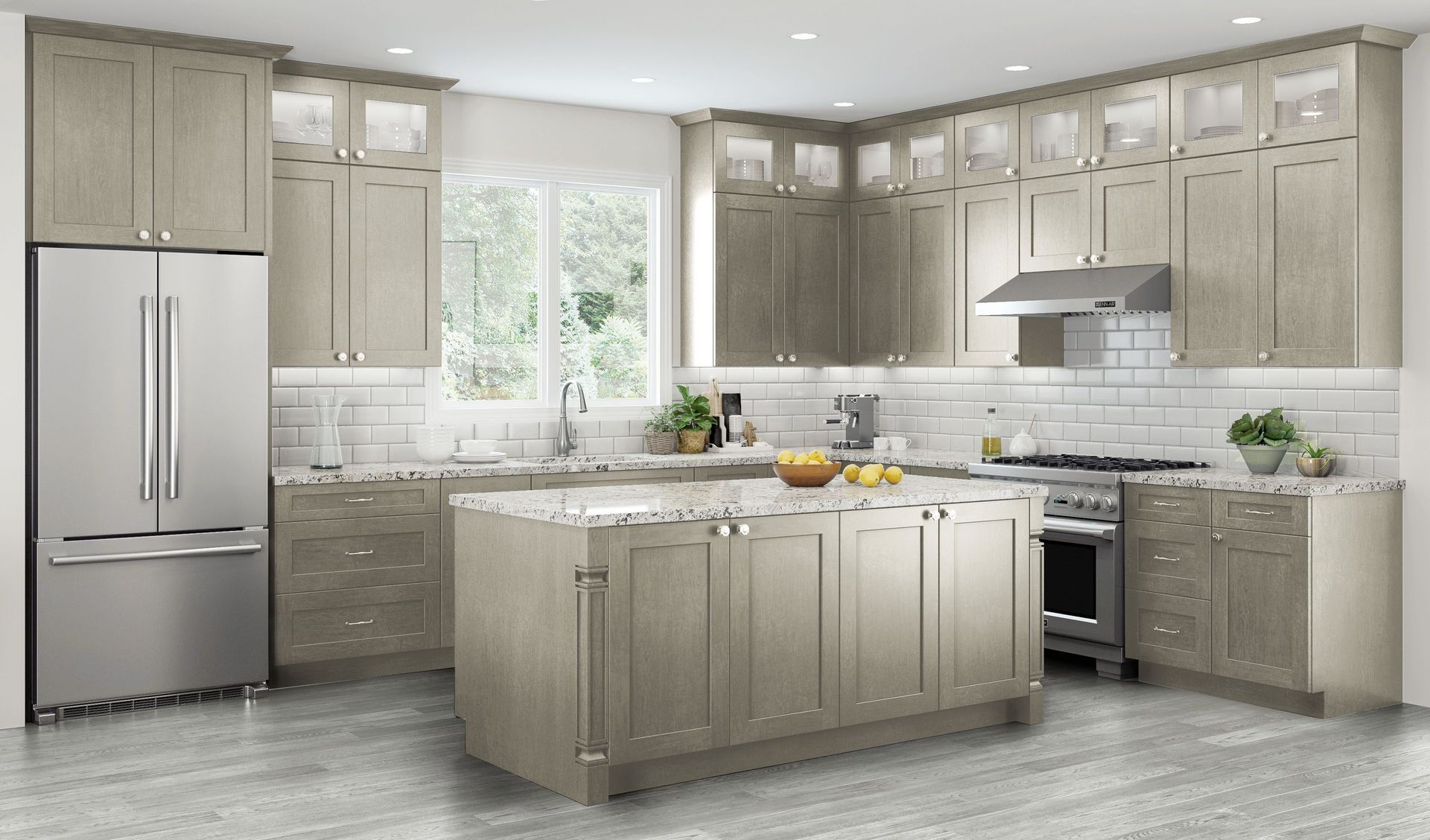
Storage should be considered before selecting cabinets and other organizational features. Think about how many dishes, cookware pieces, small appliances, pantry items, and other supplies need a designated location. Deep drawers may be useful for pots and pans, while tall cabinets can provide additional room for larger items. Pull-out shelves, corner storage, and drawer organizers can also make frequently used areas easier to access. Consider how your storage needs may change over time rather than planning only around what you currently own. Kitchen remodeling services can incorporate organizational features directly into the cabinet design. Keeping commonly used items within easy reach can improve the functionality of the entire room. Thoughtful storage planning can help prevent clutter from returning after the remodel is complete.
4. Select Durable Materials
Kitchen surfaces experience frequent use, so materials should be selected based on both appearance and durability. Countertops need to withstand everyday food preparation, while flooring must handle foot traffic, spills, and regular cleaning. Cabinet finishes should also be appropriate for the level of use the kitchen receives. Homeowners should research how different materials respond to moisture, heat, stains, scratches, and maintenance requirements. Choosing a material solely because it looks appealing may create challenges if it does not fit your lifestyle. Kitchen remodeling services can help you compare available materials based on performance and design preferences. Samples can also help you evaluate colors and textures under the actual lighting conditions in your home. Selecting materials carefully can contribute to a kitchen that remains attractive and functional over time.
5. Consider Your Appliance Choices
Appliances can influence both the layout and functionality of a remodeled kitchen. Before finalizing cabinet dimensions, determine which refrigerator, oven, cooktop, dishwasher, or other appliances you plan to use. Different models can require different clearances, electrical connections, plumbing arrangements, and ventilation considerations. Choosing appliances early can help prevent design conflicts later in the project. Consider energy efficiency, capacity, features, maintenance requirements, and how frequently each appliance will be used. Kitchen remodeling services can coordinate appliance placement with cabinets, countertops, and other parts of the design. You should also think about how appliance doors and drawers will open within the overall layout. Planning these details ahead of time can create a more comfortable and functional workspace.
6. Improve the Lighting Plan
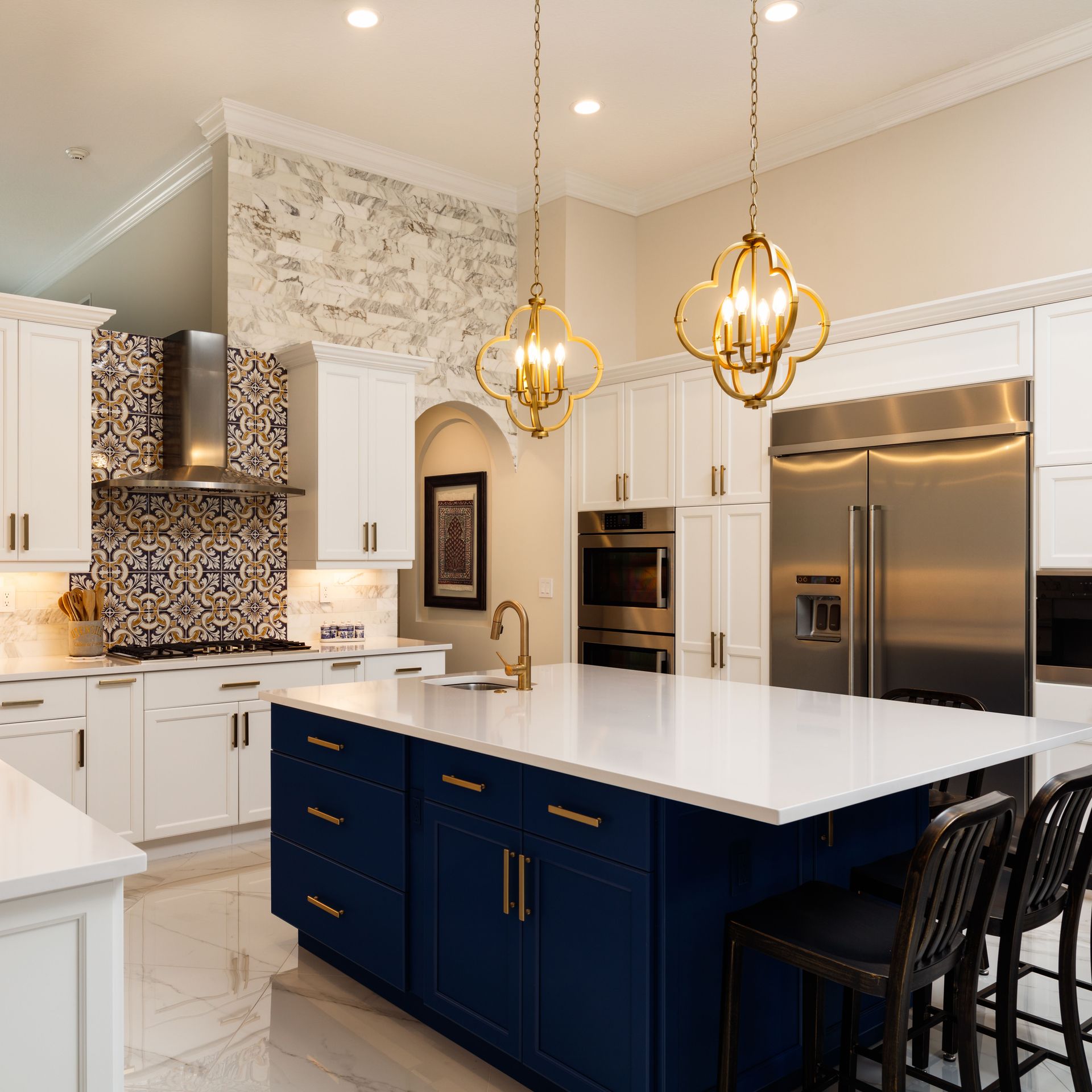
Lighting can significantly affect how a kitchen looks and how easily you can perform everyday tasks. A successful lighting plan often combines general illumination with focused lighting over areas used for food preparation. Under-cabinet lighting can help illuminate countertops, while pendant fixtures can provide visual interest above an island or dining area. Natural light should also be considered when deciding where to position work areas and reflective surfaces. The color and intensity of lighting can influence how cabinets, countertops, and wall finishes appear. Kitchen remodeling services can help coordinate lighting placement with the overall design and electrical plan. Planning lighting before cabinets and ceilings are finalized can make installation more efficient. A layered lighting approach can make the kitchen more comfortable during both daytime and evening use.
7. Choose a Functional Countertop
Countertop space is an important consideration for homeowners who regularly cook or entertain. A kitchen may have plenty of cabinets but still feel cramped if there is not enough usable workspace. Think about where food preparation, serving, small appliances, and other activities will take place. Islands can provide additional workspace while also creating a central gathering point. However, an island should not be so large that it restricts comfortable movement through the room. Kitchen remodeling services can help determine an appropriate countertop layout based on the kitchen's dimensions and intended use. The selected countertop material should also match your expectations for maintenance and durability. Balancing workspace with circulation can make the finished kitchen considerably more practical.
8. Consider Long-Term Value
A remodel should ideally provide benefits that extend beyond the excitement of a newly finished space. Consider how the improvements may affect your home's functionality, appearance, and appeal over the coming years. According to HomeGuide, homeowners generally recover about 54% to 80% of their kitchen remodeling investment through increased home value. This potential return can vary based on location, project scope, materials, market conditions, and the quality of the renovation. Focusing on practical improvements can help ensure that your investment serves your household even if you are not planning to sell soon. Kitchen remodeling services can help you balance personal preferences with features that may appeal to future buyers. Avoiding overly personalized choices can also make the space more adaptable. A thoughtful remodel can provide both immediate enjoyment and longer-term benefits.
A successful kitchen remodel starts long before demolition begins. Establishing a budget, evaluating the layout, planning storage, choosing durable materials, and considering appliances can help you make informed decisions. Lighting, countertops, long-term value, and construction logistics should also be included in the planning process. Taking time to address these details can help prevent costly changes after work has already started. Royal Kitchens & Baths can help guide homeowners through the design and remodeling process with attention to both style and functionality. A thoughtful plan can turn your kitchen into a space that better supports the way your household lives.
Ready to bring your kitchen vision to life? Contact us today to discuss your project and explore professional kitchen remodeling services designed around your home and needs.